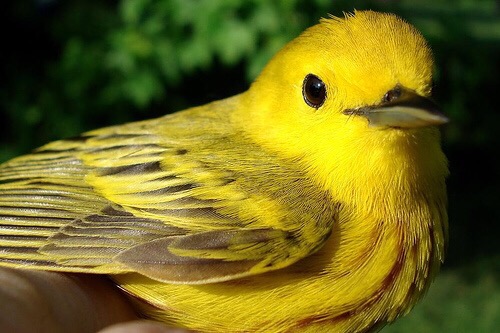
Blue-Gray Gnatcatcher
A tiny bird sings incessantly from the highest branch of the tree beyond my window—a blue-gray gnatcatcher…that seemingly miniature mockingbird, with his wispy, whistle-y song. Oh, how he teased me to watch him weeks ago, playing his tiny kazoo, as I fussed with preparations for my trip to New River—a week of nature camp for grown-ups, as I’ve come to think of it.
He’s still at it today, though I’ve taken the time as he’s warned I should.
I’ve taken the time to watch nature.
 blue-gray gnatcatcher's nest


I watched her each day, my choice only to sleep or engage with nature.
I chose wisely, and slept wonderfully upon my return.
 Pennywort gentian, Obolaria virginica
This year, I spent afternoons in search of wee wildflowers—pennywort gentians just inches tall growing in the shade of mighty trees above them. And as I stooped low to marvel at the sweet, white blooms dotting the brown, leafy bank behind the Meadow House, I found an even tinier spider stepping from flower to flower, dragging his silken cord.
From one to the next he rappelled, his entire world smaller than my palm.
From one to the next he rappelled, his entire world smaller than my palm.


Again, I think I chose wisely.
For how can one sleep while such business is going on?
 tiny spider
(for scale, the flowers are only 1/2 an inch long!)
 Pennywort gentian with tiny spider
Pennywort gentian, Obolaria virginica, is a small flowering plant native to southeastern North America. The only member of the genus Obolaria, it is so named from the Greek “obolos,” meaning small coin, in reference to its thick, rounded, coin-like leaves.
Varying from shades of brownish-green to dark purple, the leaves of Pennywort gentian contain little of the chlorophyll that many plants use to produce energy from sunlight through photosynthesis. Yet, these small plants are able to thrive in the shade beneath a densely leaved canopy. How?
Pennywort gentian is a mycotroph ( Gr., myco=fungus + troph=feed or grow)—a plant which gains nutrients needed for growth from the fungi in the soil layer beneath it. The fungi, in turn, have derived their nutrients from the roots of a host —a woody, photosynthetic plant (tree) towering above. In essence, the mycorrhizal (Gr., myco=fungus + rhiz=root) fungi in the soil act as the intermediary, passing carbohydrates from the tree roots to the small pennyworts covering the hillside. The woody plants gain, as well. Soil inhabited by mycorrhizal fungi is able to hold more water and minerals needed by the trees for healthy growth.
Varying from shades of brownish-green to dark purple, the leaves of Pennywort gentian contain little of the chlorophyll that many plants use to produce energy from sunlight through photosynthesis. Yet, these small plants are able to thrive in the shade beneath a densely leaved canopy. How?
Pennywort gentian is a mycotroph ( Gr., myco=fungus + troph=feed or grow)—a plant which gains nutrients needed for growth from the fungi in the soil layer beneath it. The fungi, in turn, have derived their nutrients from the roots of a host —a woody, photosynthetic plant (tree) towering above. In essence, the mycorrhizal (Gr., myco=fungus + rhiz=root) fungi in the soil act as the intermediary, passing carbohydrates from the tree roots to the small pennyworts covering the hillside. The woody plants gain, as well. Soil inhabited by mycorrhizal fungi is able to hold more water and minerals needed by the trees for healthy growth.







%20copy.jpg)